
Whether you’re taking a ride up the coast on the Pacific Surfliner, traveling on the Metro Rail or BART to the office, or taking a Yosemite bus tour, California is filled with more public transportation options than people realize. Though public transportation is generally safe and reliable, and typically faster than traveling on the freeways, over 23,000 mass transit injuries were reported in 2019.
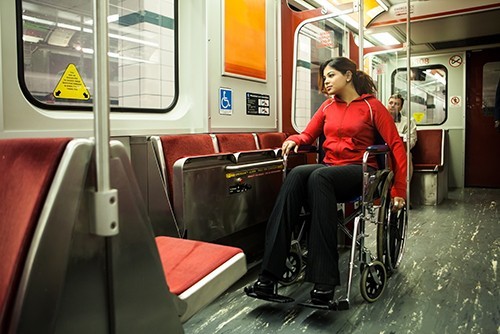
Did you know California — a state known for its freeways and car culture — actually runs three of the top 12 largest transit agencies in the nation, ranked by unlinked passenger trips? The Los Angeles County Metro Transportation Authority (LACMTA) clocks in at No. 3, the San Francisco Municipal Railway (MUNI) at No. 8, and the San Francisco Bay Area Rapid Transit District (BART) at No. 12. California also operates thousands of buses, motorcoaches, vanpools, streetcars, and light rail services as well.
In fact, every time your child takes a school bus to school or a special event, or you ride a shuttle from your hotel to the airport, or even from a parking lot to a destination, you’re on a public transit system, and there are risk factors to consider.
Like many businesses, public transportation ridership plummeted as a result of COVID-19. Now, as public transportation systems lure customers back, they are often operating with skeleton crews and fewer services to maintain the stations and vehicles. Concurrently, public transit is perceived to have continued health and safety risks as masked and unmasked riders share confined spaces.
In 2011, the curbside motorcoach industry came under significant scrutiny after a spate of deadly tour bus crashes. The National Transportation Safety Board (NTSB) evaluated the safety of bus companies and tightened requirements. The data from those reports indicated that cars and buses had an equal number of accidents. Overall, bus accidents also increased among young, novice bus drivers and those over 55. Many NTSB safety improvements were passed by Congress under the 2011 Motorcoach Enhanced Safety Act.
According to the Associated Press, public transit received a D-minus grade from the American Society of Civil Engineers. This nearly failing grade was based on the $100 billion repair backlog. The data also showed 1 in 5 transit vehicles is currently in “poor” condition. Those infrastructure failures will result in maintenance-related incidents somewhere along the way if funds aren’t quickly directed to equipment maintenance and safety.
Many mass transit accidents occur not on the transit vehicle itself but while the victim is waiting at the station or stop. Some of these are slip and fall accidents, while others become an auto injury claim after being struck by the transit vehicle itself. In other cases, passengers suffered injuries while entering, riding or exiting the transit vehicle.
One example is the 2013 bus accident where eight people were killed and more than 30 injured when a tour bus crashed on a mountain road on California SR 38, near Big Bear Mountain. The bus lost control going down the mountainous road and rolled over. Sadly, this wasn’t the first tragic bus accident on that road. Another bus went down the snowy embankment two years prior, killing one and seriously injuring 10.
There are many things you can do to ensure your safety, no matter the public transportation system you choose in California:
There can be many potential places to point a finger when an accident occurs on public transportation. In some instances, the driver can be to blame as they start, stop or lurch forward, causing injuries to passengers. In other instances, poorly maintained equipment can lead to mishaps and injuries. No matter the exact cause, you have the right to file a claim against the specific entity that runs the transit system responsible for your accident.
In California, you typically have just six months to file a claim against a public transport company. For any personal injury, the statute of limitations is usually two years. So, if you’ve been injured on any mass transit system, you must act quickly. The experienced personal injury attorneys at Dunnion Law understand the incidentalsof California law. We will ensure that your claims are processed in a timely manner when the statute of limitations are still viable so you get the maximum compensation you’re entitled to receive.