
Thanksgiving weekend is one of the busiest and most dangerous travel times of the year. At Dunnion Law, we’ve seen how holiday road trips can turn tragic in an instant, especially across California’s most heavily traveled highways. Between heavy traffic, long-distance travel, alcohol use and driver fatigue, accidents during Thanksgiving spike across the state every year.
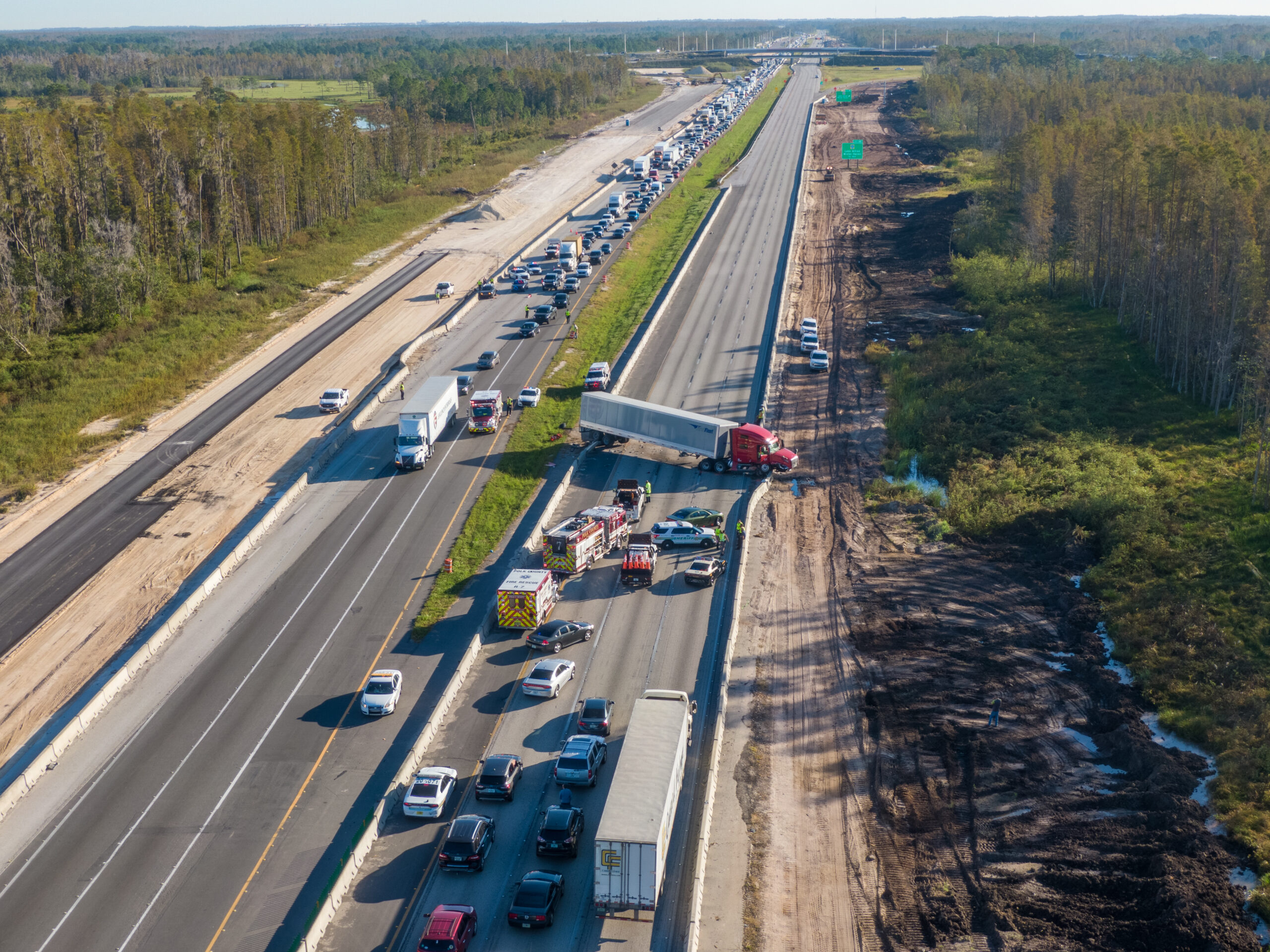
While millions of Californians hit the road to visit family, certain highways consistently see higher crash rates during this season. Understanding where and why these accidents happen can help you make safer choices before your next holiday drive.
According to state traffic data, the days around Thanksgiving see a rise in crashes involving alcohol, speeding and distracted driving. Many of these accidents occur on the Friday and Saturday following Thanksgiving, times when travelers are either heading home or celebrating the long weekend.
Even though the total number of vehicles on the road may decrease slightly, crash severity increases. Fewer cars don’t necessarily mean safer roads; it often means higher speeds and less caution, and a trucking accident can lead to catastrophic injury. Alcohol use, late-night driving and fatigue also play major roles in fatal Thanksgiving crashes.
Based on statewide data, five counties (Los Angeles, San Diego, Orange, Riverside and San Bernardino) consistently record the highest number of holiday crashes and fatalities.
These regions represent California’s largest population centers, but their highways are major corridors for out-of-town travelers, a mix that increases accident risks.
Certain routes in California consistently rank among the nation’s most dangerous during the Thanksgiving holiday. Among them:
These highways see a surge of travelers heading between major cities and vacation spots, often in poor weather or heavy traffic. Combined with alcohol use and fatigue, these factors make long stretches of open highway deceptively dangerous.
Even with advances in vehicle safety, these roads continue to pose serious risks when drivers underestimate how quickly conditions can change.
Alcohol remains one of the top contributors to fatal holiday crashes. More than one-third of deadly accidents on Thanksgiving involve impaired drivers. While rideshare options have reduced some of these incidents, many still choose to drive after drinking, often late at night when visibility and alertness are already reduced.
Speeding is another key factor. Open stretches of highway invite drivers to push limits, especially when traffic thins out. But higher speeds increase both the likelihood of losing control and the severity of crashes when they occur.
Holiday travel in November often means unpredictable weather. Rain, fog or colder temperatures can make California highways slick and visibility poor. Combined with exhaustion from long drives or late-night returns, these conditions create a perfect storm for collisions.
Distraction is also a major issue. Many crashes stem from drivers checking their phones, adjusting navigation, or eating behind the wheel — all common behaviors during road trips. Even a brief lapse in attention can have devastating consequences when traveling at highway speeds.
You can’t control the actions of other drivers, but you can take steps to reduce your own risk:
California remains one of the nation’s most dangerous states for holiday travel. Despite fewer cars on the road during Thanksgiving weekend, the combination of alcohol, fatigue, and high-speed driving leads to an increase in severe injuries and fatalities.
At Dunnion Law, we’ve represented countless families whose holidays turned tragic because another driver made a reckless decision. Understanding these risks — and driving defensively — is the best way to protect yourself and your loved ones.
Even if you’re prepared and following road laws, reckless drivers around you can cause an accident. If you or a loved one is injured in a crash during the holiday season, you don’t have to face the aftermath alone. Our personal injury lawyers have been protecting injured Californians in the Fresno and Monterey areas for 50 years and know how to hold negligent drivers accountable. Contact us to discuss your case and get the support you need to move forward.